

Skip to content

Application pathway

Oil / Fuel Transfer: operating conditions before product selection.

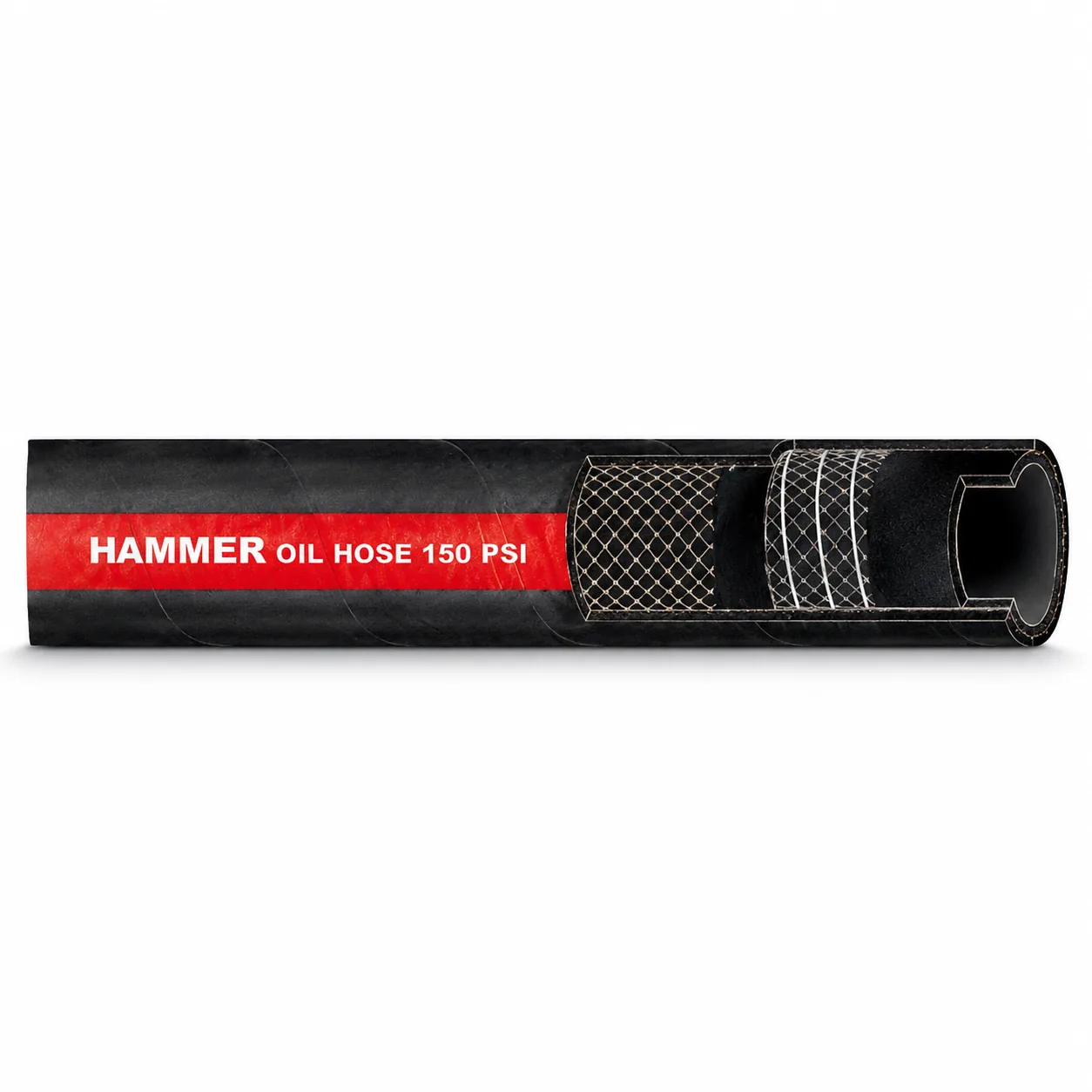
Oil and fuel transfer calls for a careful check of media compatibility, pressure or suction mode, and coupling security. Hammer oil suction and delivery, oil composite, and PTFE composite hose represent the main construction paths on this page.

Application context

What the review needs to establish.

Fuel transfer work sounds straightforward until the details appear: gravity feed, pump discharge, tank truck connection, suction service, static continuity expectations, and the chemistry of the product being moved. Those details change the kind of hose a buyer should take seriously.

Decision frame

Turn the service description into a shortlist you can inspect.

The role of this page is to make that decision path more obvious. Instead of saying every oil service is the same, it helps the reader compare the lighter-duty and heavier-duty construction choices, and it keeps the conversation tied to media, pressure, vacuum, and connection details that can actually be confirmed.

01Define the duty

Capture the operating conditions that can change hose construction or assembly.

02Screen the evidence

Separate confirmed values from assumptions, pending data, or approval requests.

03Document the outcome

Keep the selected profile, limitations, and follow-up requirements connected.
Typical scenarios

Where this pathway is commonly applied.

Use these scenarios as review prompts rather than automatic product approvals.

Tank-truck loading and unloading

Frequent coupling, outdoor handling, suction or discharge duty, and spill control shape the hose and assembly review.

Depot and terminal transfer

Media compatibility, electrical continuity where required, pressure, temperature, and connection security are usually checked together.

Mobile fuel and service equipment

Compact routing and repeated handling can favor a different construction from a fixed transfer line, even when the fuel is the same.

Watch-outs

Conditions that can invalidate a quick product match.

Flag these variables early so construction and assembly risks stay visible during review.

Different petroleum products can push the review in different directions.

A transfer line that also sees suction should be checked differently from a simple discharge hose.

Connection security matters because spills often begin elsewhere in the full assembly.

Relevant product profiles

Use these as a review starting point.

Relevance does not replace confirmation against the exact service conditions.

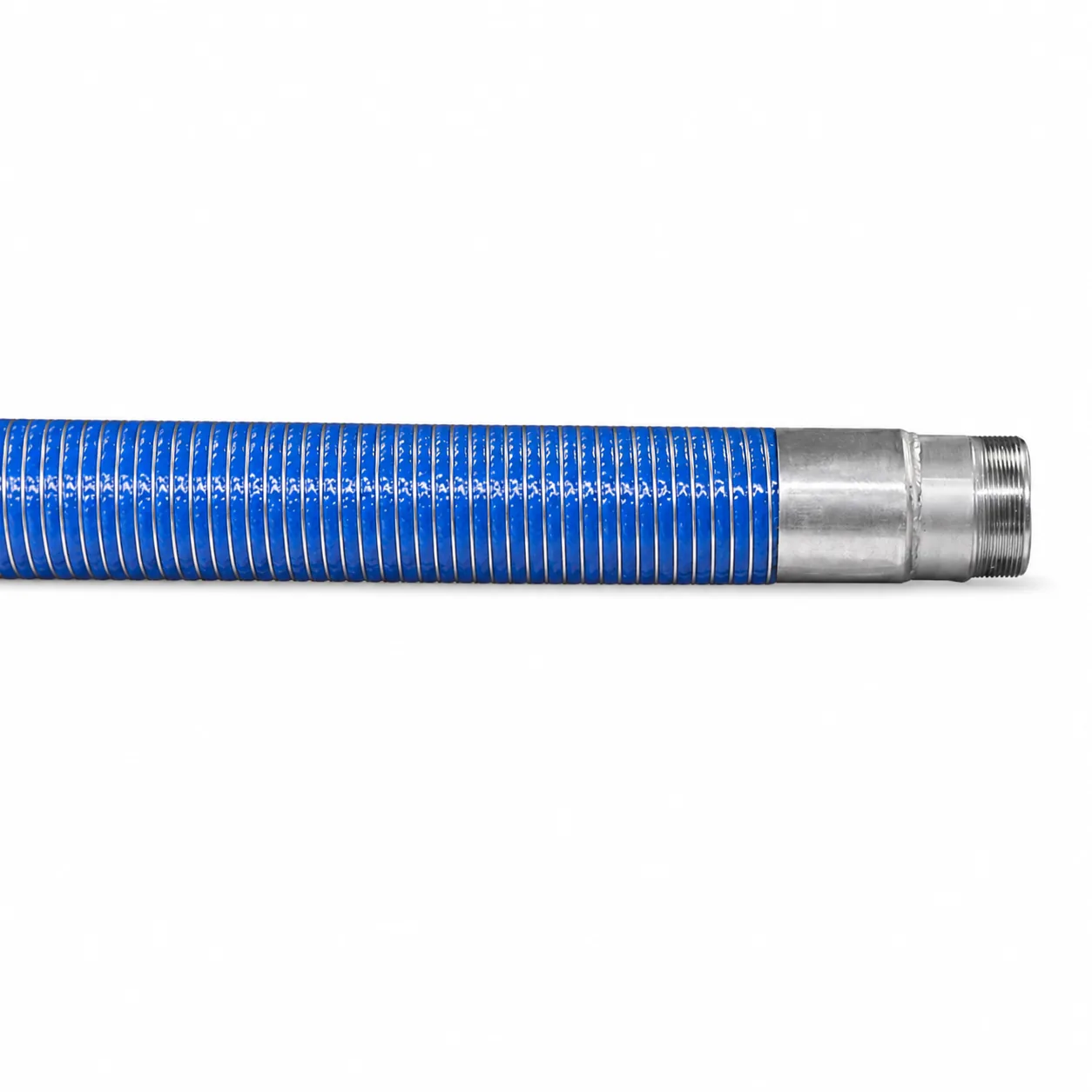
Hammer Oil Composite Hose product image

Industrial Rubber & Composite Hose

Hammer Oil Composite Hose

Composite hose for oil, fuel, and petroleum transfer applications requiring layer construction details, coupling compatibility, and safety guidance.

Review Product
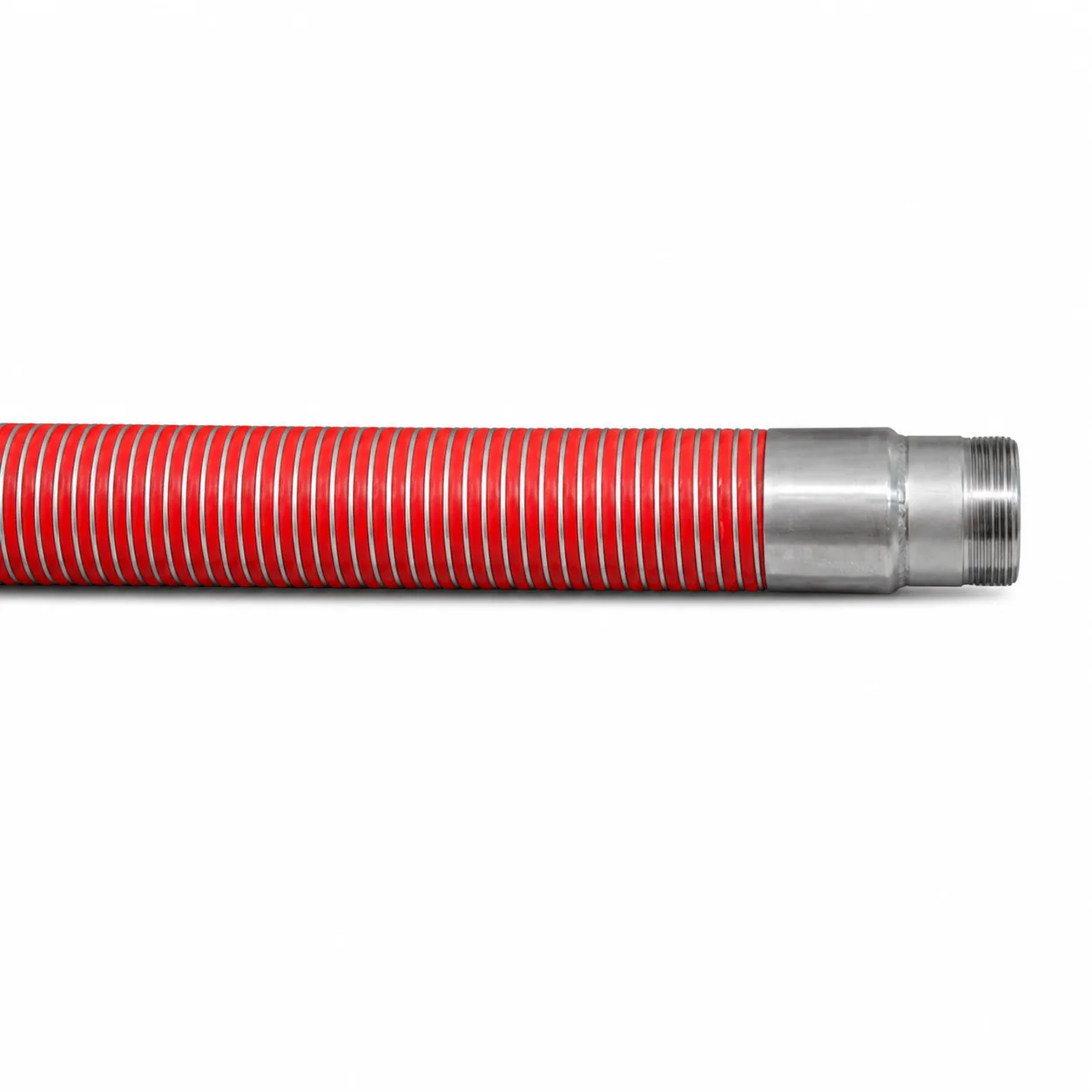
Hammer PTFE Composite Hose product image

Industrial Rubber & Composite Hose

Hammer PTFE Composite Hose

PTFE composite hose page for demanding chemical and fluid transfer service with explicit compatibility disclaimers and technical review pathway.

Review Product