



Skip to content

Quality & Testing

Industrial Hose Quality, Testing & Documentation

Morgen reviews hose construction, pressure data, bend radius, traceability, assembly compatibility, and real operating conditions before any technical recommendation or quotation goes out. Controlled quality inspection at every production facility is what makes efficient international manufacturing actually work.

Quality controls

What the review framework covers.

Quality claims are useful only when their scope and evidence are clear.

01

Material Selection

Inner tube compound, liner material, reinforcement, helix wire, braid construction, cover material, and wall thickness are separate selection variables. Each field remains visible so the team can review the fit for the media and temperature, then check how the hose will move in service.

02

Pressure Performance

Working pressure and the related proof or burst values appear only when a verified product datasheet supports them. The current product record is the source for these numbers.

03

Bend Radius Control

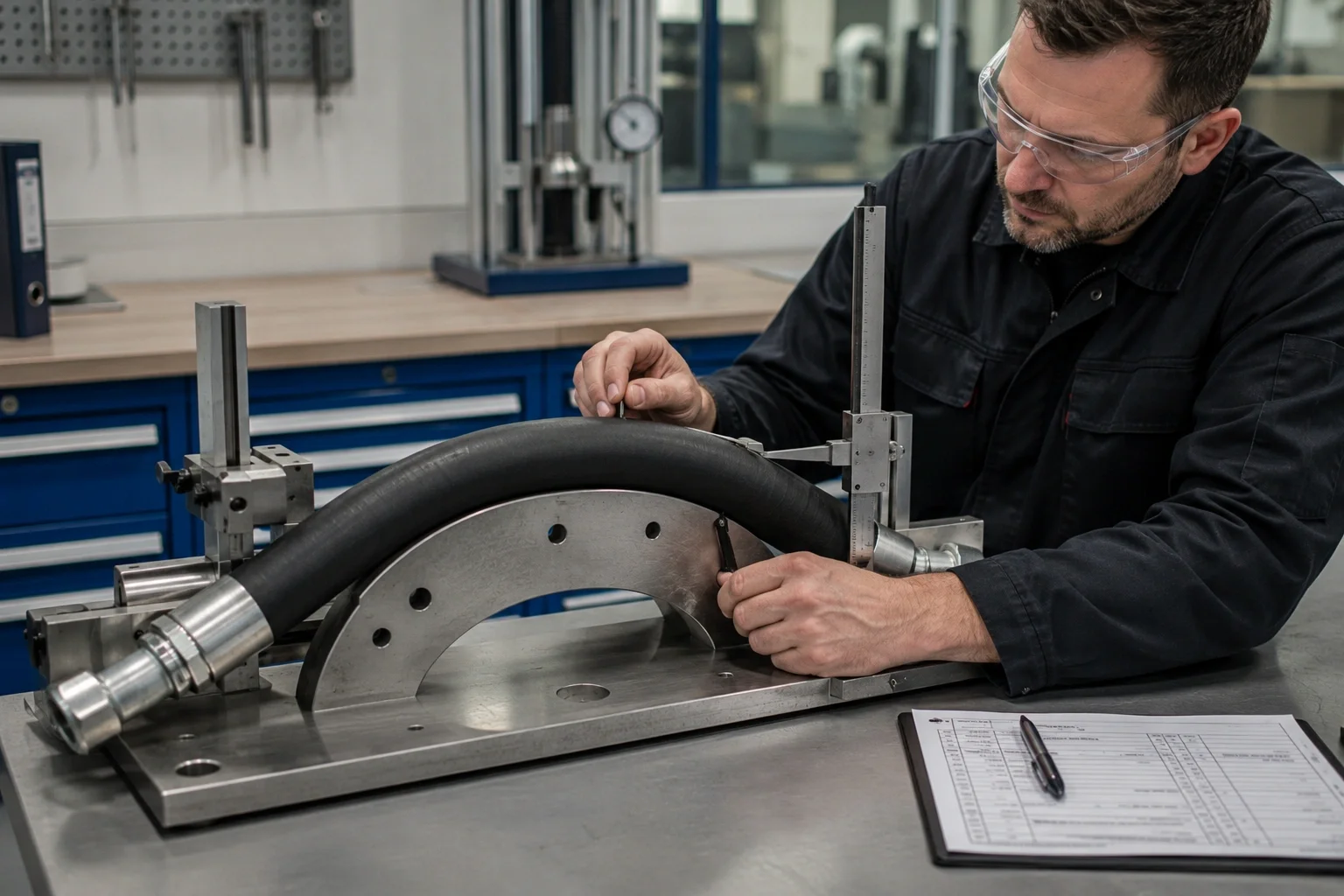
Minimum bend radius is a primary specification. Tight hydraulic routing, articulated equipment, and ducting in confined spaces can shorten service life when the limit is ignored. Each product table shows the field and marks it pending until the datasheet is available.

04

Traceability

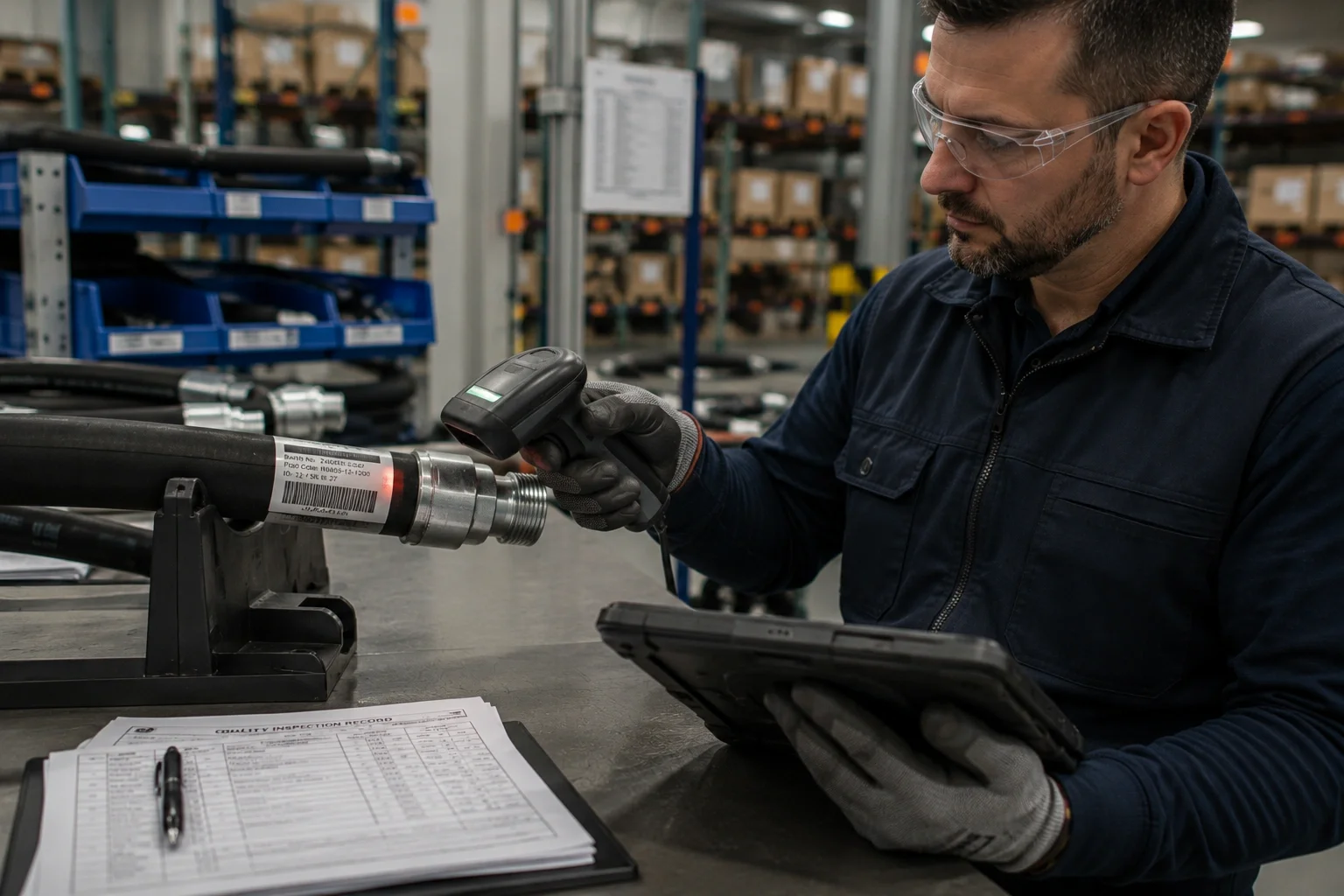
Hose marking, document revision, batch identification, and the distributor pathway support accountable selection after installation. Traceability is a baseline wherever a failure review, warranty question, or compliance audit may follow.

05

Crimping Compatibility

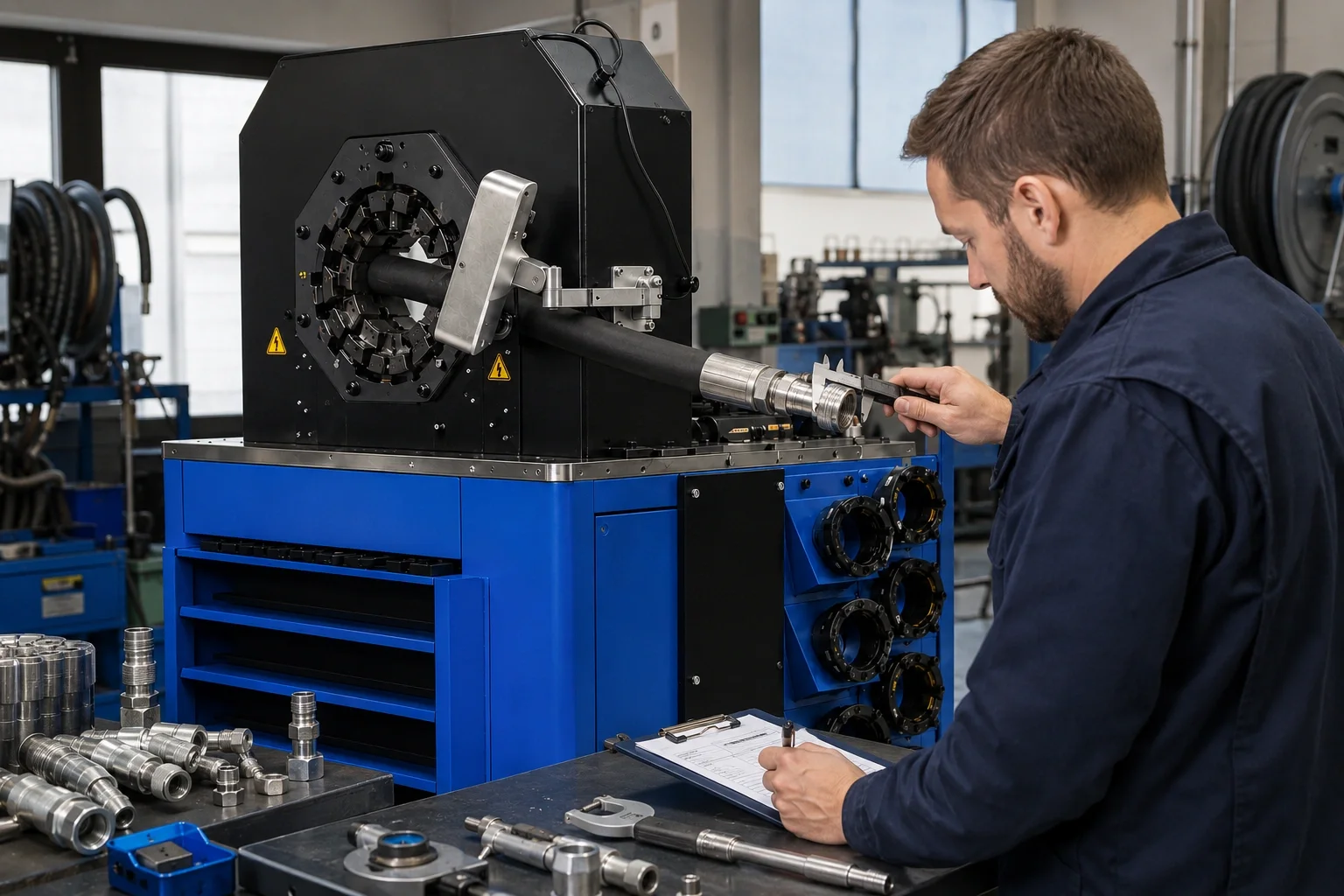
Hydraulic, PTFE, and thermoplastic assemblies require matched fittings with confirmed crimp diameters and machine settings. The approved setup comes from document-controlled crimping guidance for the exact hose family and size.

06

Application Safety

Pressure, media, temperature, environment, movement profile, fitting type, and any critical-service safety requirements must be reviewed before installation. The Morgen product page safety notice reflects the genuine complexity of hose selection in industrial environments where wrong configuration can cause leakage, failure, equipment damage, or personnel injury.

Review sequence

From claim gate to final service confirmation.

Each stage narrows uncertainty without replacing final responsibility for the real installation.

01Production quality inspection

Every Morgen production facility operates under controlled quality inspection standards. Working pressure, burst pressure, bend radius, and dimensional data are verified through the production and review process before products reach distributors.

02Construction data review

Tube material, reinforcement, cover compound, helix or braid construction, and wall thickness are reviewed as separate variables. Each field stays visible so the team can confirm fit for the media, temperature, and movement before recommending a product.

03Compatibility before commitment

Media, concentration, cleaning process, coupling material, operating temperature, and movement profile are reviewed before chemical, fuel, gas, cement, or abrasive service is recommended.

04Traceable recommendation

The inquiry records the product family, operating conditions, and production data, then links the requested document to the distributor review step. The basis of the recommendation stays visible and traceable.

Final responsibility

Testing data does not remove application responsibility.

Even where a hose construction has documented test performance, the final assembly, installation, routing, connections, media compatibility, impulse conditions, and maintenance practice must still be checked for the actual system.

Evidence boundary

Use test results as controlled input for the application review.

Performance evidence is meaningful only when the tested construction, size, assembly, method, and service assumptions remain relevant to the installation being reviewed.

01Match the record

Confirm the exact product, size, assembly, document revision, and test scope.

02Check the system

Review installation, routing, connections, media, impulse, and maintenance.

03Retain the basis

Keep the evidence package and written limitations with the final decision.